Effective Public Speaking: A Master Guide
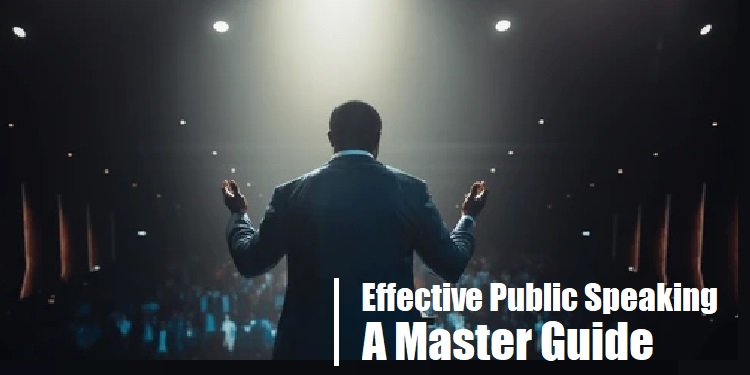
Public speaking is more than just talking to a crowd; it is the art of connecting, persuading, and leaving a lasting impact on your listeners. Mastering this craft requires a blend of structured preparation, confident delivery, and a focus on your audience.
The Core Principles (The 5 C’s)
To ensure your message is not just heard but understood and acted upon, follow the 5 C’s of Effective Communication:
- Clarity: Present your ideas so they are easily understood and actionable.
- Conciseness: Deliver your message briefly, respecting the audience’s time.
- Consistency: Maintain a uniform tone and message to build trust.
- Credibility: Back your claims with data, stories, or expertise to foster authority.
- Connection: Use empathy and personal stories to engage on an emotional level.
Structuring Your Speech
A well-organized speech follows a logical flow to help the audience retain information. A classic and effective framework is the Introduction-Body-Conclusion structure.

- Introduction (Tell them what you’ll tell them): Grab attention in the first 30 seconds with a hook—a startling statistic, an anecdote, or a rhetorical question.
- The Body (Tell them): Limit this to three main points to avoid overwhelming the audience. Use transitions like “Secondly” or “In my next point” to guide listeners.
- Conclusion (Tell them what you told them): Summarize key points, provide a clear call to action, and end with a memorable statement.
Mastering Delivery and Body Language
Non-verbal communication often carries more weight than the words themselves.
- Vocal Variety: Change your pitch, pace, and volume to maintain interest. Use the “Power of the Pause” to emphasize critical points and allow the audience to reflect.
- Eye Contact: Instead of scanning the room, pick individuals in different sections to speak to directly, making the connection feel personal.
- Posture and Gestures: Stand tall with an open posture. Use natural hand gestures to emphasize points, but avoid distracting fidgeting.
Handling Nervousness
Anxiety is normal; even seasoned pros feel it. Instead of fighting it, channel that adrenaline into energy and passion for your topic.
- Preparation: The best cure for nerves is practicing your speech repeatedly until it feels natural.
- Visualization: Picture yourself succeeding and the audience reacting positively to settle your mind.
Using Visual Aids Effectively
Visuals should support your speech, not replace it.
- Simplicity: Stick to one main idea per slide with minimal text.
- High Contrast: Use dark text on light backgrounds for readability.
- Relevance: Every chart, image, or video must directly relate to your core message.
Mastering public speaking is not about achieving perfection, but about building a genuine connection with your audience through preparation and practice. Every great speaker started where you are today; with these techniques in your toolkit, you are now ready to command the stage with clarity, confidence, and authority.

also read: