History of English Novel

A Novel is a long, fictional story written in prose that typically focuses on the experiences, thoughts, and development of specific characters over a period of time. Unlike a short story, its length allows for a complex plot, multiple settings, and a deeper exploration of human nature or social issues. Essentially, it is a book-length narrative that uses imagined events and people to reflect real-life emotions and experiences.
- It is a long work of fiction, usually consisting of thousands of words, which allows for a complex story.
- It is written in ordinary, continuous language (prose) rather than the rhythmic verse or stanzas found in poetry.
- Because of its length, a novel can show how characters change, grow, or fail over a long period.
- It usually features a main plot along with several smaller sub-plots that involve different characters and settings.
- It provides a detailed description of the time and place where the story happens, making the world feel real to the reader.
- Like drama, a novel explores deep ideas or messages about life, society or human nature.
- The story is told through a specific voice, such as a narrator who knows everything (omniscient) or a character telling their own story (first-person).

 Features of Novel
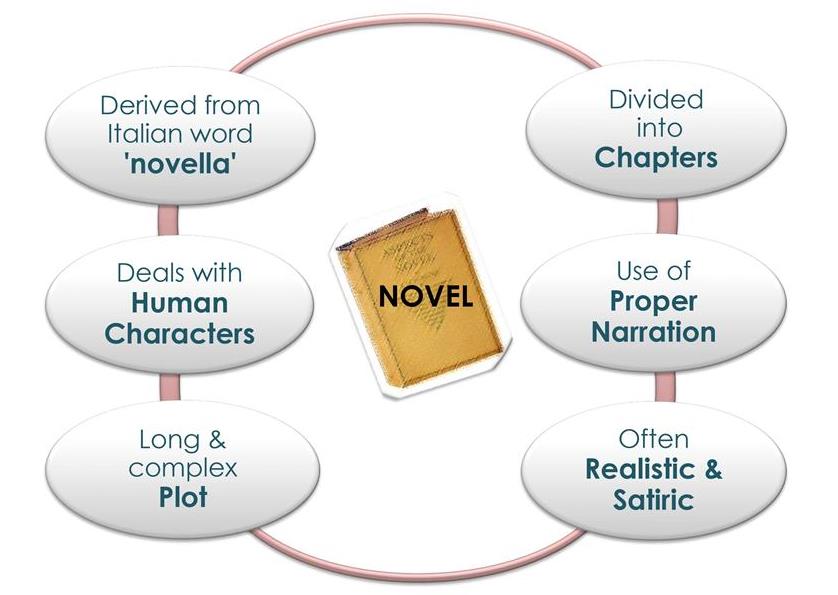
Functions/Characteristics of Novel
- Long narrative Fiction
- Describes intimate human experiences
- Presented in Prose form. Narration of a story
- Decorates with time, place & people
- Makes life easier to understand
- Adopted literary prose in the modern era
Elements of Novel
- Theme
- Plot
- Character
- Setting
- Conflict
- Language/Style
THEME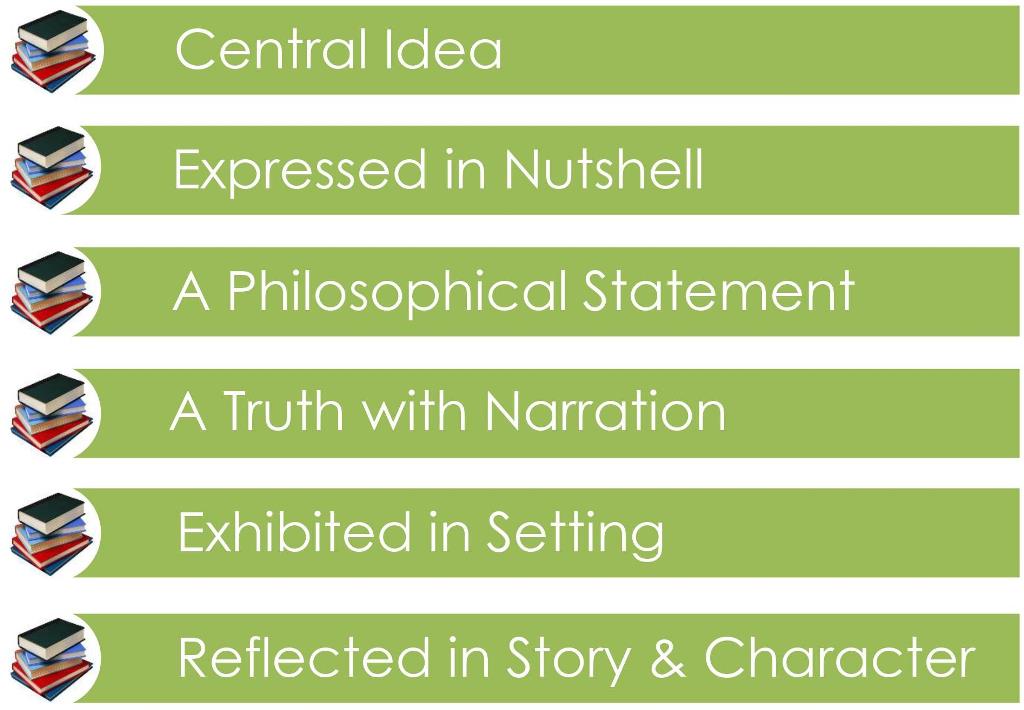
PLOT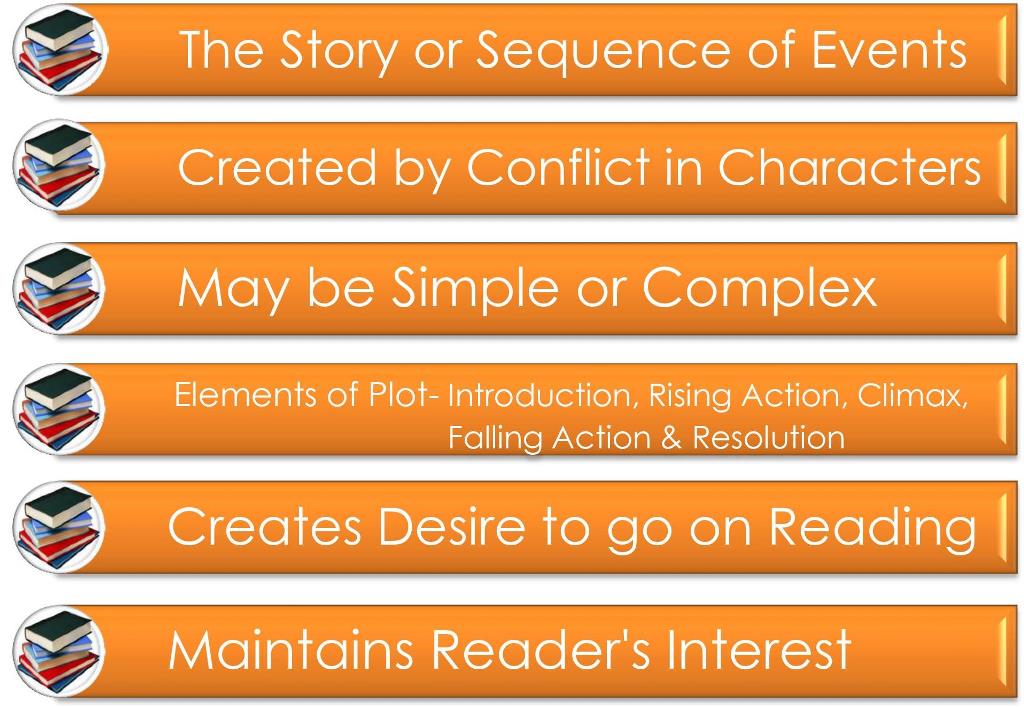
CHARACTER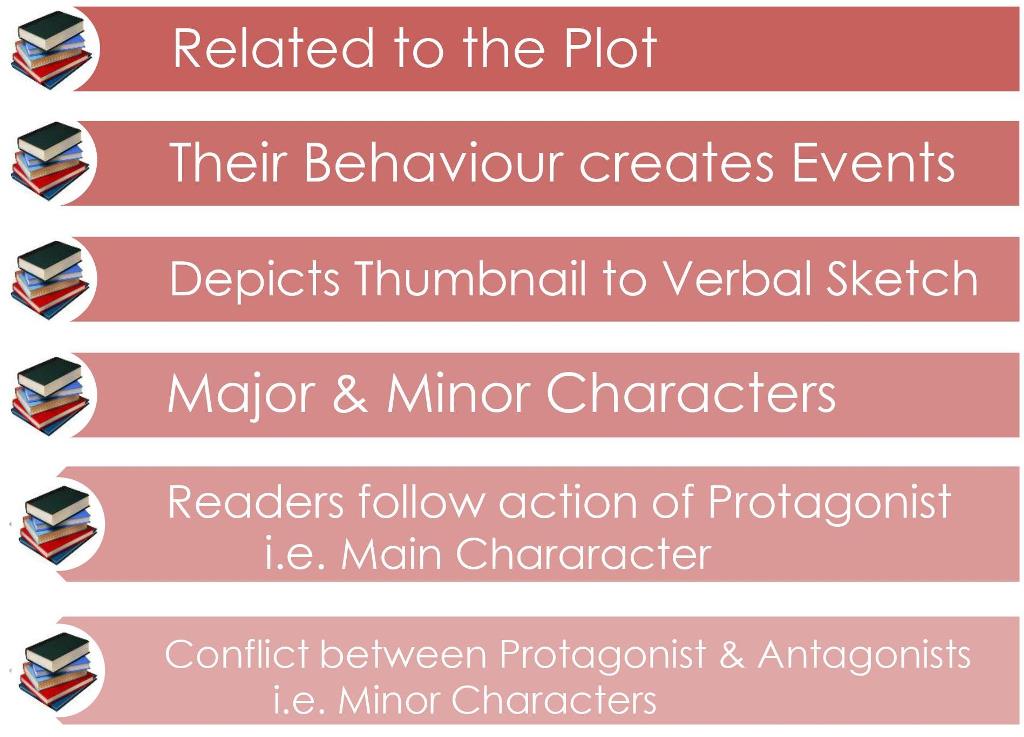
SETTING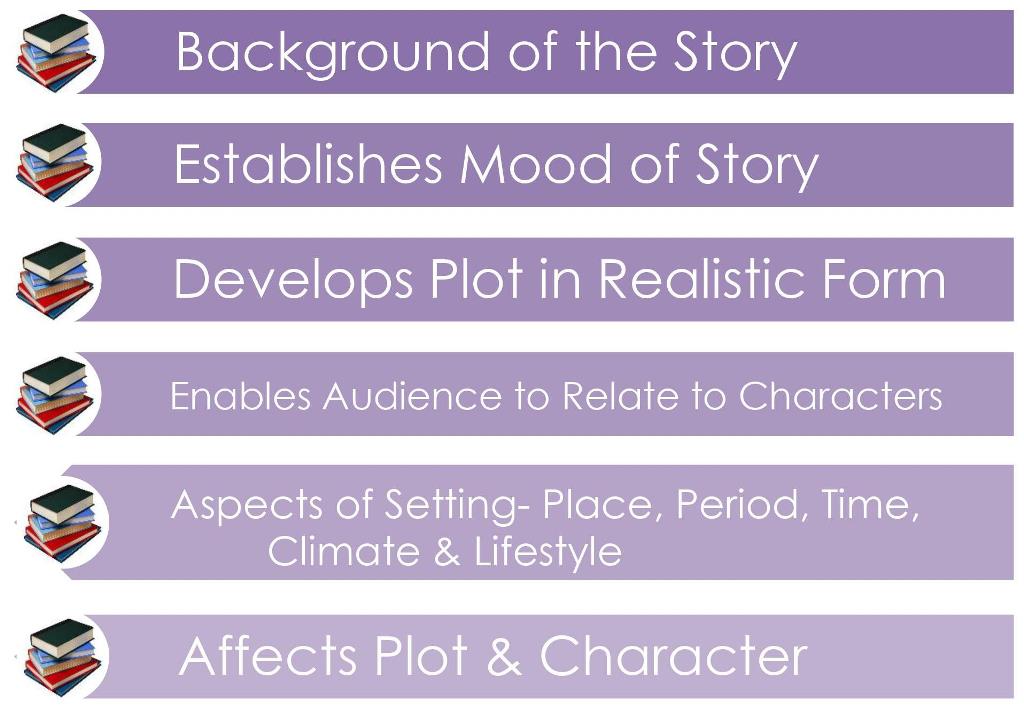
CONFLICT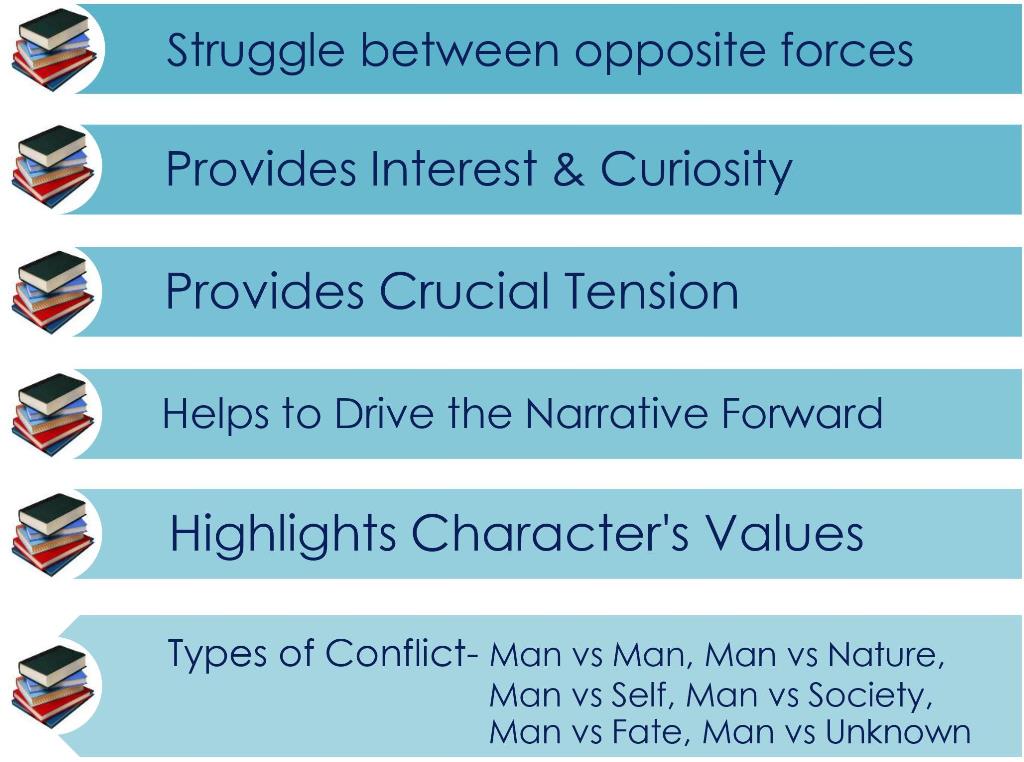
LANGUAGE/STYLE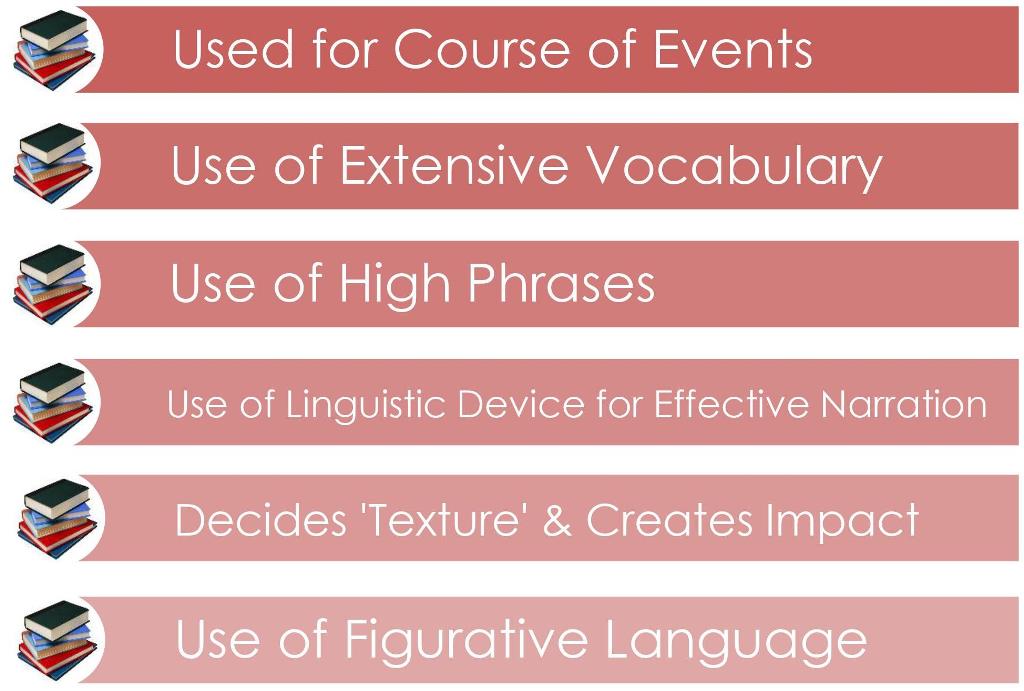
Types of Novel
Realistic Novel
- A fiction that gives a realistic effect
- It is also called the Novel of Manner
- It can be characterized by mixed motives
- Characters interact with others
- Characters face plausibility
- Characters seem like real people with real issues
Picaresque Novel
- ‘Picaresque’ originated from the Spanish word ‘Picaro’, means a rogue
- It narrates the adventures of a protagonist who is an eccentric, disreputable or dishonest person
- It depicts the adventures of a wicked person
- The story is told in an episodic form
- Hunger, Conflict, Poverty, Corruption and Injustice are perennial themes in Picaresque Novels
Historical Novel
- Set in a period earlier than that of writing
- Attempts to convey the spirit, manners and social conditions of a past age
- Transports readers to another time and place, either real or imagined
- An intriguing plot creates some sort of suspense. Plot makes sense and has a solution
Epistolary Novel
- Derived from the Latin word ‘epistola’, which means ‘letter.’
- Presentation with the help of a series of correspondence & documents
- Letters & Diary entries are very popular forms of Epistolary Novel
- Newspaper clippings are also used
- Dates back at least to ancient Roman Times
- Gained popularity in 17th & 18th Century
Gothic Novel
- Largely known by Subgenre of Gothic Horror
- Emphasis on emotion & a pleasurable kind of ter
- Extension of the Romantic Literary Movement
- A Story of Terror, Suspense, Death, Decay or Haunted Buildings
- Usually set in a Gloomy Old Castle or Monastery
- The term associated with Superstition in the 18th century
Utopian Novel
- Utopia is an Imaginary Community
- Utopia is an Ideal Society
- Common literary theme used in Science & Speculative fiction
- Utopian & Dystopian explore Social & Political structure
- All Social Evils have been cured in Utopian Society
Autobiographical Novel
- Based on the life of the author
- The author changes the places & names of characters
- The author may change or avoid certain details of his life
- It may or may not be in the first-person narration
- Autofiction techniques are used
Psychological Novel
- Treats the internal life of the main character
- External factors are studied too
- Emphasizes interior characterization
- Explore spiritual & emotional lives
- Examines the reasons of character’s behaviour
- Known as Psychological Realism, also
Allegorical Novel
- Allegory is a story that bears more than one level of meaning
- Surface meaning is different from the symbolic meaning of it
- Symbolic meaning may be political, religious, historical or philosophical
- It describes situations and events or expresses abstract ideas in terms of material objects, persons and actions
- It is a symbolic, fictional narrative that conveys a meaning not explicitly set forth in the narrative
Stream of Consciousness Novel
- A phrase coined by William James in his treatise ‘Principles of Psychology’, 1890
- Incidents in the plot are in the sequence of their occurrences. Novelists narrate them by adding in the character’s mind
- It means the flow of the thoughts. It is a person’s thoughts and conscious reactions to events, perceived as a continuous flow
‘Bildungsroman’ Novel
- The German word ‘Bildungsroman’ indicates ‘Growth.’
- It is a fictional biography or autobiography
- Involved with Protagonist’s mind, spirit & character
- Concerned with the education, development & maturing of young Protagonist
- Psychological, emotional & moral growth of the main character
- The protagonist is forced away from home on a journey
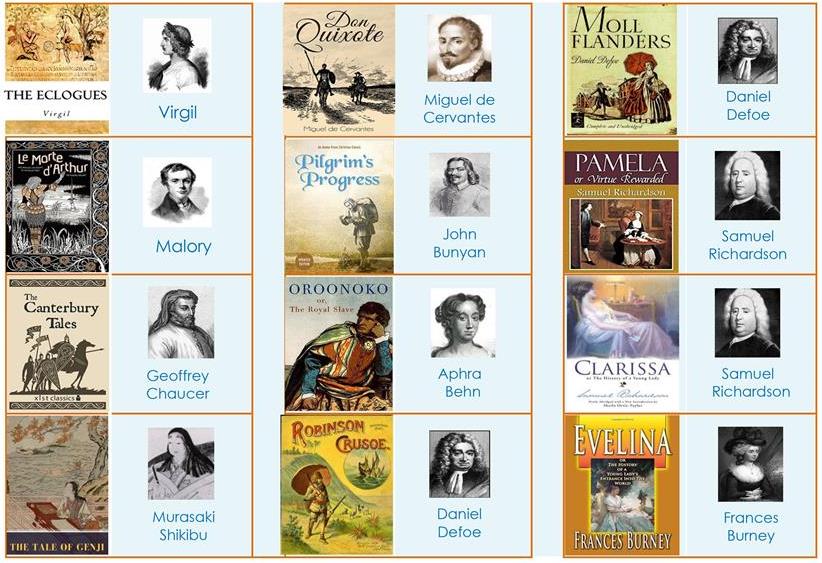
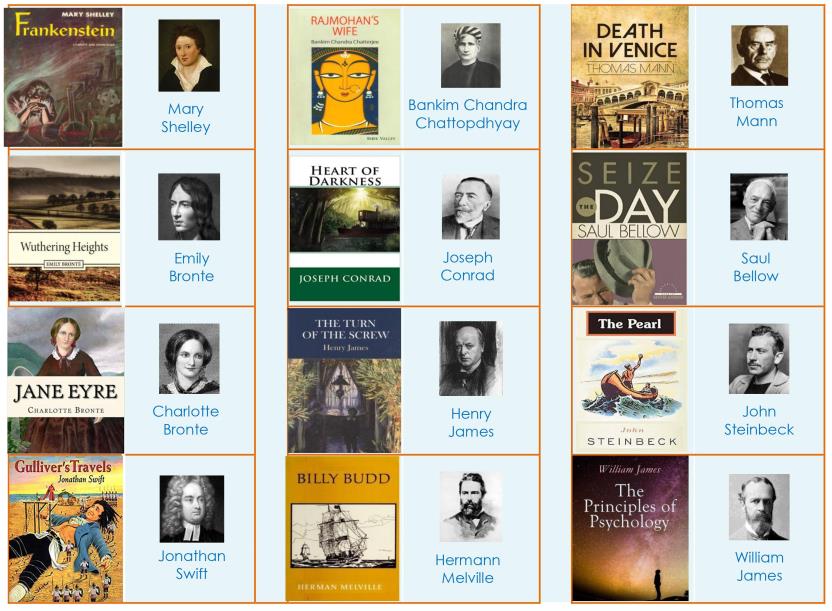
Books mentioned throughout the Chapter & their Writers
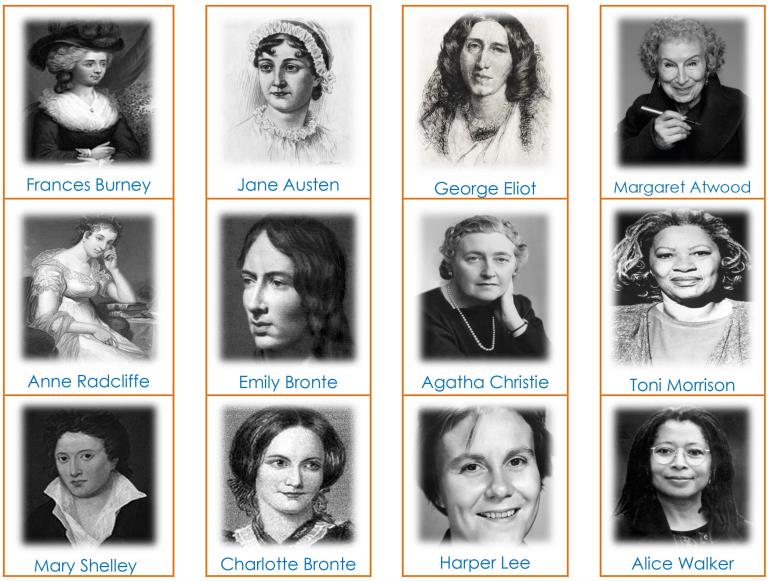
 Women Novelists in the Great Pageants
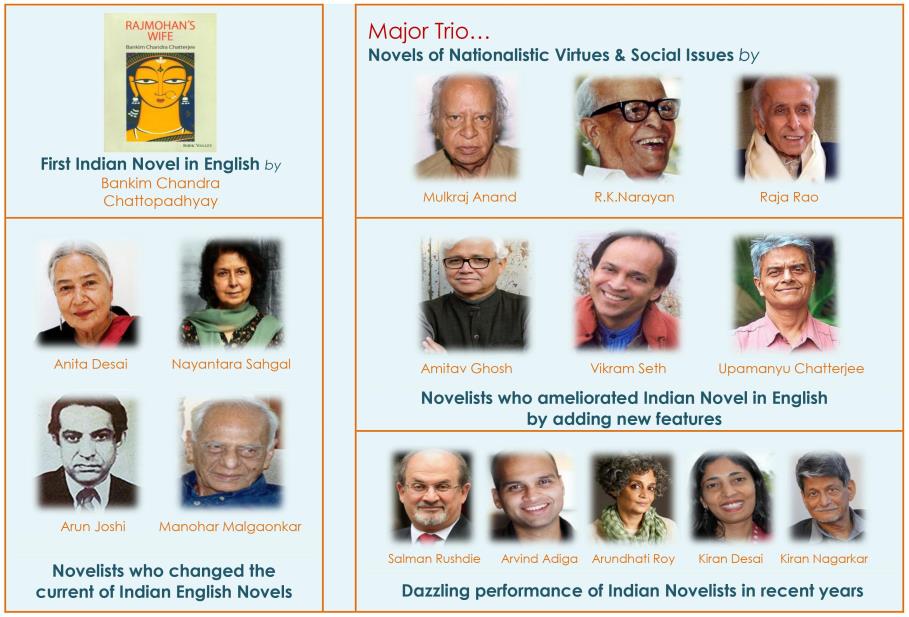
 English Novel Scenario in India
also read:
History of English Drama